

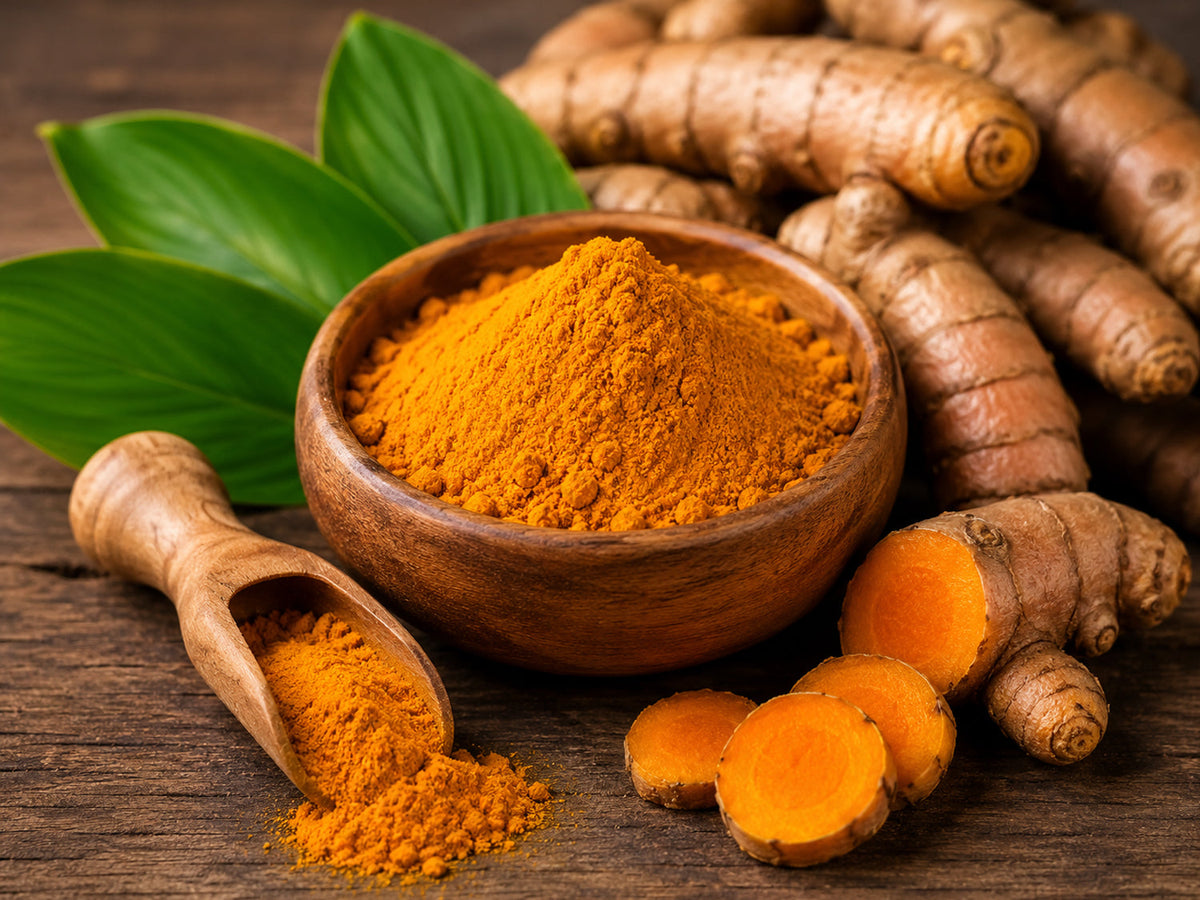
Turmeric for Skin: Why It Is One of Ayurveda's Most Trusted Ingredients for Healing
Few skincare ingredients have the kind of reputation turmeric does.
Long before serums, active ingredients, and complicated skincare routines, turmeric was already part of Indian beauty rituals.
Haldi before weddings.
Haldi in ubtans.
Haldi passed down through generations as a trusted skincare remedy.
And while modern skincare has introduced countless new ingredients, turmeric has never really disappeared.
The reason is simple.
When it comes to concerns like:
-
Dark spots
-
Post-acne marks
-
Uneven-looking skin tone
-
Dullness
Turmeric remains one of the most widely used ingredients in both Ayurveda and modern skincare.
Today, ingredients like Curcuma Longa Root Oil and Curcuma Longa Root Extract allow skincare formulations to harness turmeric's benefits in a more refined and effective way.
What is Curcuma Longa?
Curcuma Longa is the botanical name for turmeric.
The same turmeric found in Indian kitchens is also one of Ayurveda's most respected ingredients.
In skincare, turmeric is often used in two forms:
Turmeric Root Extract
This is derived from the turmeric root and contains many of the naturally occurring compounds that make turmeric valuable for skincare.
Turmeric Root Oil
Turmeric oil is extracted from the root through a specialised process that concentrates beneficial aromatic compounds.
This allows formulators to use turmeric in lightweight skincare products without relying on raw turmeric powders.
If you've searched for:
-
turmeric benefits
-
turmeric benefits for skin
-
turmeric oil
-
raw turmeric benefits
You are ultimately exploring different forms of the same ingredient.
Why Turmeric Became an Ayurvedic Skincare Staple
Turmeric earned its place in skincare long before clinical studies existed.
People noticed something simple.
Skin often looked clearer and brighter when turmeric became part of regular skincare rituals.
That is why turmeric became a key ingredient in:
-
Bridal ubtans
-
Ayurvedic face packs
-
Traditional skin rituals
The goal was never instant transformation.
It was consistency.
And that principle remains true today.
Turmeric Benefits for Skin
When people search for turmeric benefits for skin, the focus is usually on pigmentation, marks, and overall skin clarity.
1. Helps improve the appearance of dark spots
One of the most popular reasons turmeric is used in skincare is its ability to support a more even-looking complexion.
With consistent use, skin may appear clearer and more uniform over time.
2. Supports brighter-looking skin
Turmeric is widely used in skincare routines designed to improve dullness and uneven tone.
This is why it remains a staple in brightening-focused formulations.
3. Helps reduce the appearance of post-acne marks
Even after breakouts are gone, marks can remain visible for weeks or months.
Turmeric is commonly used in products targeting post-acne pigmentation and lingering blemish marks.
4. Rich in antioxidant compounds
Turmeric contains naturally occurring antioxidant compounds that help support healthy-looking skin.
These compounds help protect skin from everyday environmental stressors.
5. Supports overall skin clarity
Rather than focusing on a single concern, turmeric contributes to an overall healthier and more radiant appearance.
Turmeric in Ayurveda
In Ayurveda, turmeric is known as Haridra.
It has been used for centuries in wellness and skincare rituals.
Traditionally, Haridra was valued for helping:
-
Improve skin appearance
-
Support skin clarity
-
Maintain healthy-looking skin
-
Promote a brighter complexion
This is why turmeric remains one of the most iconic ingredients in Ayurvedic skincare.
In fact, many traditional ubtans still use turmeric as one of their primary ingredients today.
Raw Turmeric vs Turmeric Oil
Many people search for raw turmeric benefits and wonder whether DIY turmeric masks are enough.
While raw turmeric has traditional value, it also comes with challenges.
Raw Turmeric
-
Can stain skin temporarily
-
Can stain clothing and towels
-
Difficult to standardise
-
Results vary depending on preparation
Turmeric Oil
-
Easier to formulate into skincare
-
Lightweight and elegant on skin
-
More consistent application
-
Works well alongside modern active ingredients
This is one reason many modern formulations choose turmeric oil instead of relying solely on raw turmeric.
Why Turmeric Works Best With Other Ingredients
Turmeric is excellent for targeting uneven-looking skin.
But skincare concerns rarely exist in isolation.
Dark spots often appear alongside:
-
Dehydration
-
Oily skin
-
Post-acne marks
-
Uneven texture
That is why turmeric is often paired with ingredients that support other aspects of skin health.
For example:
-
Niacinamide supports a more even-looking complexion
-
Aloe vera helps maintain hydration
-
Turmeric focuses on visible pigmentation concerns
Together, they create a more complete approach.
Using Turmeric in a Dark Spot Moisturiser
One of the easiest ways to incorporate turmeric into your routine is through a daily moisturiser.
Where Haridra Quench Fits In
Haridra Quench Dark Spot Removal Gel Moisturiser was designed for skin dealing with:
-
Dark spots on face
-
Pigmentation
-
Post-acne marks
-
Uneven-looking skin tone
The formula combines:
-
0.5% Turmeric Oil
-
1% Niacinamide
-
20% Aloe Vera Juice
What turmeric does in this formula
Turmeric acts as the primary pigmentation-focused ingredient.
It helps:
-
Improve the appearance of dark spots
-
Support brighter-looking skin
-
Target post-acne marks
-
Promote a more even-looking complexion
What this means for your skin
With regular use:
-
Dark spots appear less noticeable
-
Skin looks more even
-
Dullness becomes less prominent
-
Skin appears clearer over time
Turmeric vs Spot Treatments That Feel Drying
Many products designed for pigmentation rely on strong acids or intensive spot treatments.
While these can work for some people, they may also leave skin feeling:
-
Dry
-
Tight
-
Uncomfortable
Turmeric offers a different approach.
Instead of aggressively targeting the skin, it supports gradual improvement while fitting into a daily skincare routine.
This makes it easier to use consistently, which is often the most important factor when dealing with pigmentation.
Is Turmeric Good for Skin?
Yes.
But turmeric's real strength is not instant results.
Its strength lies in consistent use over time.
That is why turmeric has remained relevant for centuries.
Not because it is trendy.
But because people continue seeing value in it generation after generation.
Final Thought
Few ingredients have survived the transition from traditional skincare to modern skincare as successfully as turmeric.
Today, formulations using Curcuma Longa Root Oil and Root Extract offer the benefits of turmeric in a format that feels lightweight, practical, and easy to use every day.
For anyone dealing with dark spots, post-acne marks, or uneven-looking skin tone, turmeric remains one of the most trusted places to start.
FAQs
What is Curcuma Longa?
Curcuma Longa is the botanical name for turmeric.
What are turmeric benefits for skin?
Turmeric helps support brighter-looking skin, improve the appearance of dark spots, and promote a more even-looking complexion.
Is turmeric oil good for skin?
Yes. Turmeric oil is commonly used in skincare products targeting pigmentation, dark spots, and uneven-looking skin tone.
What is the difference between turmeric oil and raw turmeric?
Raw turmeric is the whole root, while turmeric oil is a concentrated extract that is easier to incorporate into modern skincare formulations.
Can I use turmeric on my face every day?
Turmeric-containing skincare products formulated for daily use can generally be used every day as directed.


